2026
Exhibition Residencies
Residency Period: 20/4/26 - 15/6/26
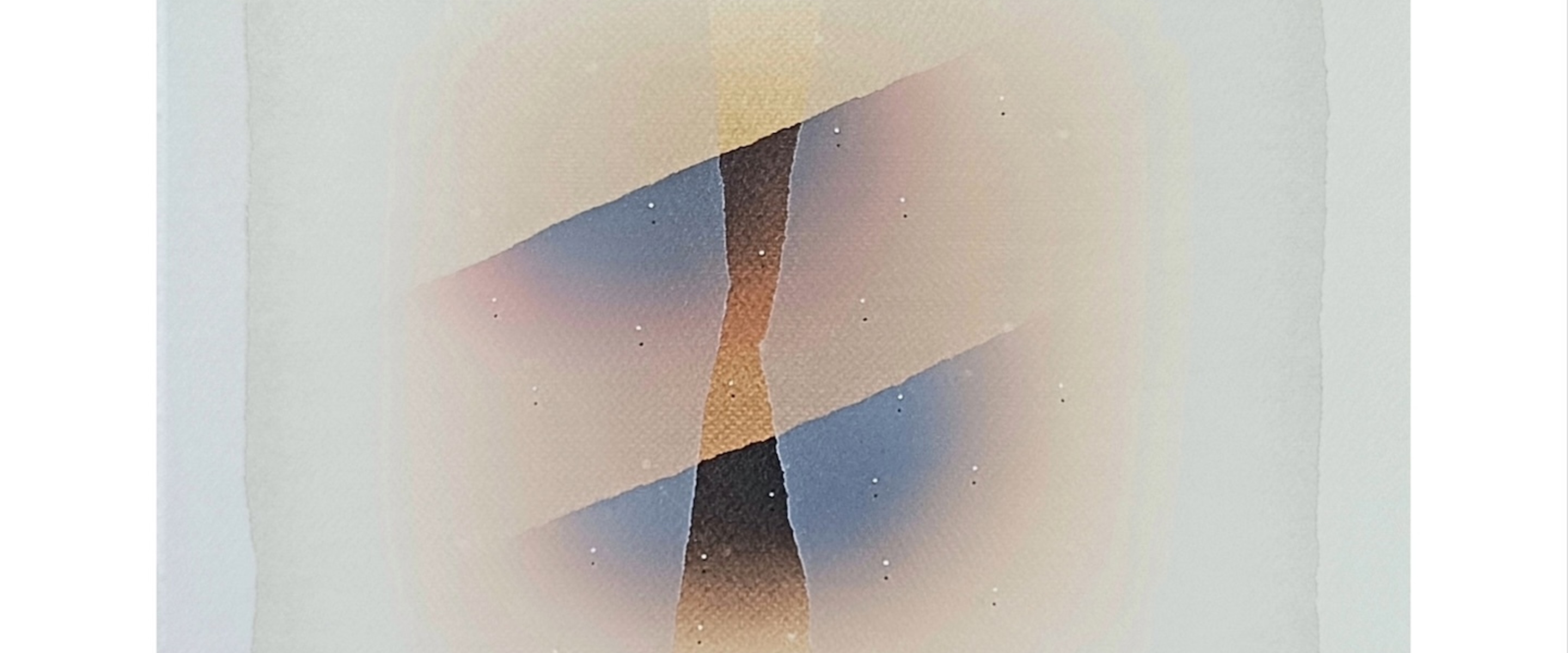
Hailing from a small, remote village in Madhya Pradesh, India and coming from an extremely humble background, Hemant Rao began his artistic journey with nothing more than broken pieces of chalk he collected and used as his earliest art materials. His connection with dry pigments started in childhood, guiding him toward becoming a visual artist and painter working primarily with the dry pastel medium.
Hemant grew up on the rolling Madhya Bharat Plateau, surrounded by hills, lush forests, and ancient caves — from the Rock Shelters of Bhimbetka to historic landmarks like the Sanchi Stupa and modern cultural spaces such as Bharat Bhavan. The landscape around him, the elemental forces of nature — especially abundant light — and local cultural elements, including earthy vermilion, muted sandalwood, vibrant turmeric, and everyday signs and symbols with timeless geometry reflecting beliefs, heritage, myths, and memories, became his earliest inspirations.
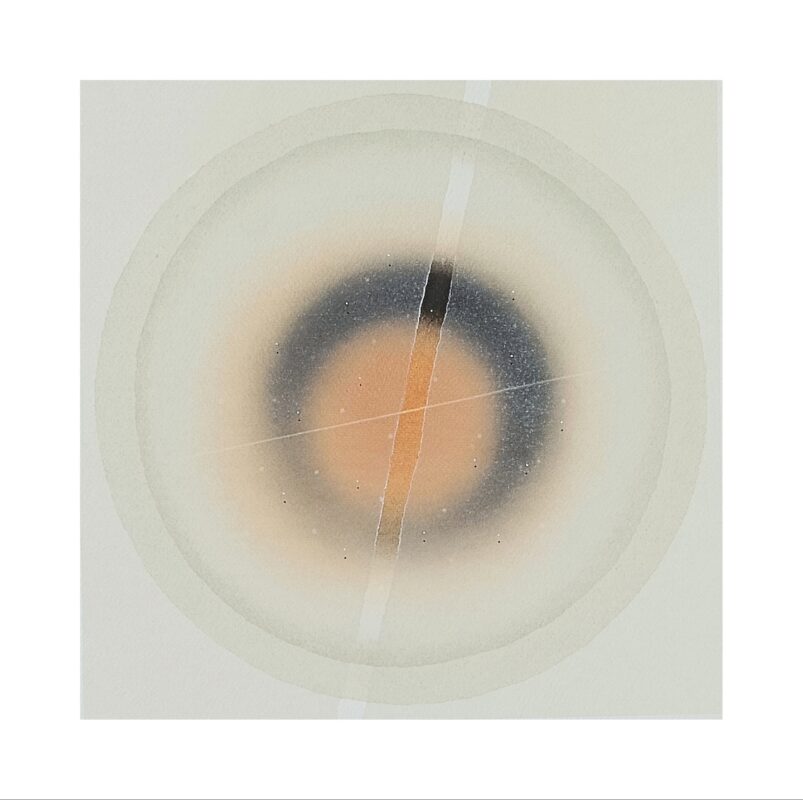
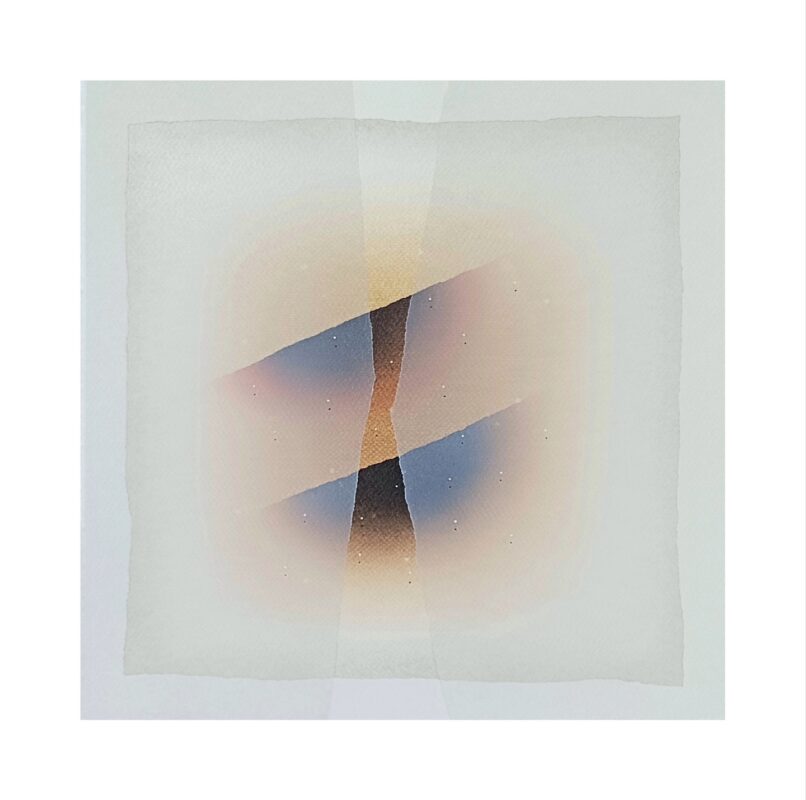
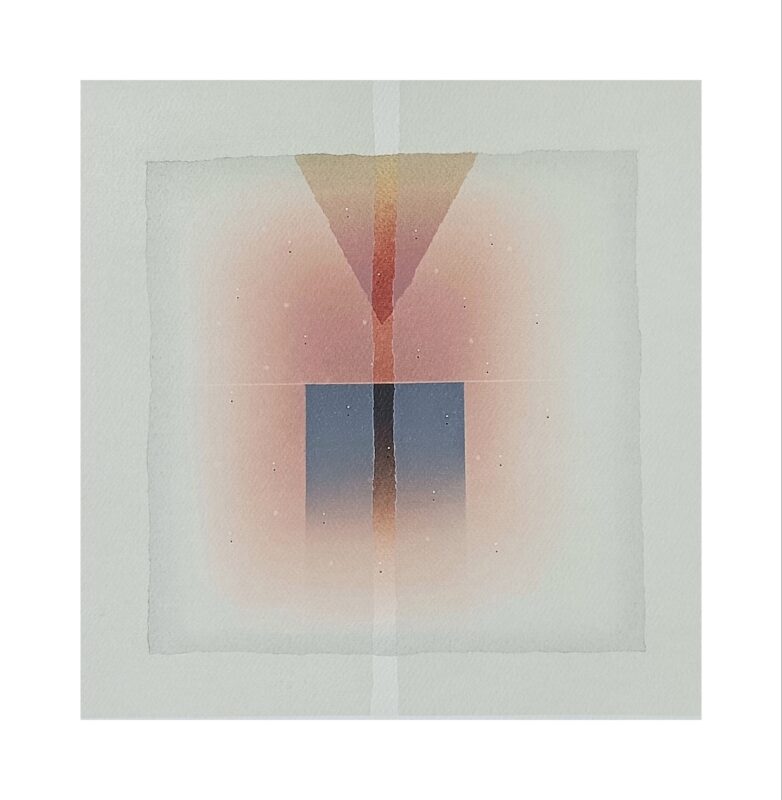
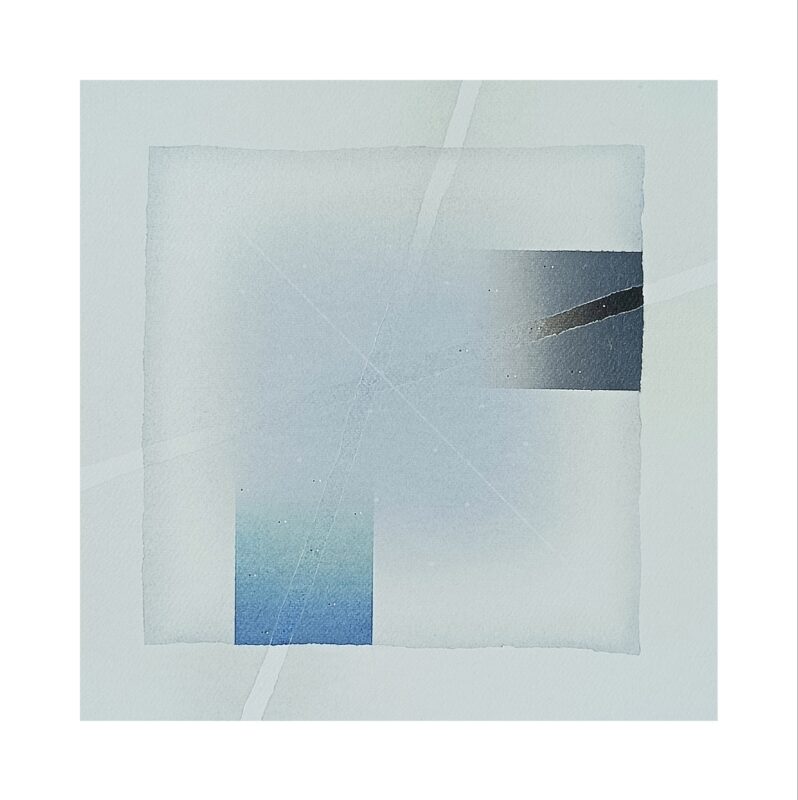
He has long been fascinated by natural processes: a seed ‘breaking’ from dormancy as new shoots emerge, the ‘breaking’ of day as the first light pierces the night, ice ‘breaking’ to feed a river — the eternal rhythm of breaking and building that shapes life.
To Hemant, dry pastel — a fragile and often overlooked medium — represents the vulnerability, delicacy of nature and human existence. Its fine, powdery granules resting in his hands, to him, feel like fragments of the earth itself: thawing, fleeting, yet so powerfully fertile. He does not use brushes or base; instead, he applies colour directly with his hands, creating an intimate, organic connection with the surface.
In a world where so much feels fragile — from our cosmos and climate to our inner lives — Hemant hopes his work offers space for reflection on unity, balance, interconnectedness, resilience, and regeneration within both the environment and ourselves. Through his art, he aims to inspire a renewed reverence for the world we share.
Recently, Hemant has started focusing on working with locally sourced minerals and natural pigments. This shift brings him closer to the land and the environment and reflects a growing commitment to ecological sensitivity.
Hemant Rao was born on July 29, 1984, in Madhya Pradesh, India. A self-taught visual artist working primarily with dry pastel on canvas and paper, he has served as an Artist-in-Residence at Dhoomimal Gallery, New Delhi (2023–25). In 2025, he was awarded the American Dream Fellowship at Art Omi, New York, USA.
Over the course of his career, Hemant has received several awards, including the Visual Arts (Painting) Junior Artist Fellowship from the Ministry of Culture, Government of India (2011–12), and the 60th National Academy Award from the Lalit Kala Akademi (2019).
His artistic journey began at the Graphic Studio in Bharat Bhawan, Bhopal, where he worked from 2005 to 2010. He had a solo exhibition at Gallery Art & Soul in Mumbai (2016), and has participated in group exhibitions at contemporary galleries like Art Houz, Chennai, as well as institutions such as Bharat Bhawan, Bhopal.
Hemant’s works have been exhibited at contemporary art events, including the India Art Fair (2024, 2022, 2020) at NSIC, Delhi, with the 2024 edition showcased at the BMW Collectors' Lounge. His work has also been exhibited at Art Mumbai 2024, Art of India by the Times of India Group at India Habitat Centre (2023), and the Madras Art Weekend in Chennai (2023, 2024). Internationally, his works have appeared at the Busan International Art Fair and Seoul Art Festival (2011), Art Revolution Taipei (2019), and the Bangkok Triennale (2014).
Hemant’s works are part of several collections, including the Bihar Government Museum, the Uttarayan Art Foundation in Vadodara, the Triveni Museum in Ujjain, Silpakorn University in Bangkok, and the Takshila Educational Society (TES) in Bihar. His art is also held in notable private collections, including American real estate developer, literary agent, author Francis J. Greenburger and former Chief Minister of the Indian state of Madhya Pradesh, India, Digvijay Singh.